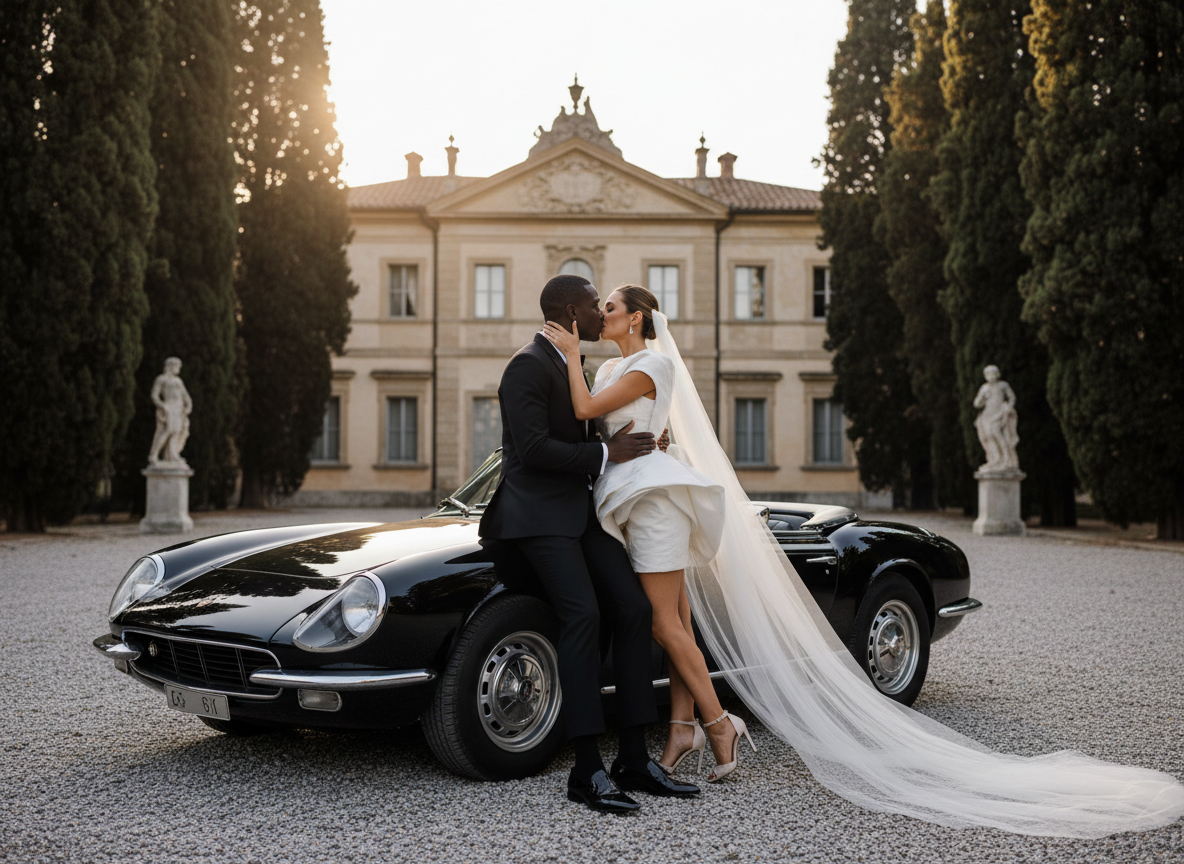


The Biggest Mistake Couples Make When Planning Their Wedding (And It’s Not What You Think)
July 3, 2026
I’ve witnessed wedding mistakes up close, from grand italian villas to intimate backyard gatherings. The biggest misstake isn’t the budget or the venue — it’s trying to please everyone. A people pleasing wedding habit can quietly steal the day. In this guide I’ll help you center your story, set compassionate boundaries, and design a celebration that genuinely reflects you through authentic wedding planning.
How to plan a wedding without people-pleasing
- Vision: identify three core emotions, write a one‑paragraph vision, and pick a few non‑negotiables to protect.
- Boundaries: set clear decision lanes, prepare polite yes/no responses, and offer meaningful roles that invite help without surrendering control.
- Vendors: share a concise brief, ask process‑focused questions, and watch for warning signs so your team safeguards your story.
How to uncover your shared vision, step by step
A shared vision begins with feelings, not spreadsheets. Choose three emotions you want guests to remember, then translate those into setting, palette, and priorities. This simple framework shields you from outside pressure and guides every choice as you learn how to plan a wedding intentionally.
Start with your story, not a checklist. Pick three feelings you want guests to carry home, then choose a setting and color story that reflect them. Make a basic mood board and write a one‑paragraph vision. Those anchors will inform decisions and protect you from outside influence while you practice authentic wedding planning.
Try this: close your eyes and picture cocktail hour. Is it a string quartet beneath cypress, or a lively rooftop with espresso martinis and bright laughter? Notice what you see, hear, and feel. Those sensory clues will steer décor, pacing, and music.
Then pick three non‑negotiables to defend — perhaps an intimate ceremony, relaxed portraits, and a family‑style dinner. Share these with your planner and vendors. When options multiply, return to those priorities. It’s the best defense against the wedding planning mistakes that dilute meaning.
What is a people-pleasing wedding and why is it risky?
A people pleasing wedding is shaped by others’ expectations instead of your shared values. Spot where opinions trump joy, then reframe decisions around feelings, priorities, and boundaries. These steps help you avoid wedding planning mistakes and reclaim a celebration that truly reflects you. Notice common pressure points—the guest list that keeps growing, favors chosen to please distant relatives, or readings added because someone insists—and ask whether each choice serves the emotion you want to create. A quick test: before saying yes, answer “does this align with our one‑paragraph vision?” If not, offer a gentle alternative that honors the contributor (for example, a hosted welcome drink or a short toast) so you avoid the people pleasing wedding trap while practicing authentic wedding planning. Learning how to plan a wedding this way reduces regret, prevents the wedding mistakes that cost time and money, and keeps the day centered on your story.
How to set loving boundaries with family and friends
Loving boundaries invite support without handing over control. Clarify who decides what, script polite yes/no responses, and assign roles that feel honoring. These practices prevent a people pleasing wedding, reduce stress, and keep choices rooted in your shared values.
Set expectations early and kindly. Explain your vision, define decision lanes, and have short, gracious scripts that invite help without surrendering control. Offer loved ones meaningful tasks rather than veto power. Boundaries bring clarity, reduce tension, and keep the day true to you.
Try these simple lines. To a well‑meaning aunt: “we love your ideas. we’ve chosen a smaller choir to match our ceremony.” To a parent: “we’re so grateful for your support. we’ll handle the style choices; could you host the welcome party?” Clear, kind language prevents the confusion that creates a people pleasing wedding dynamic.
On the Amalfi Coast, one couple let parents design the signature cocktail and give a toast while keeping readings and music as their own. Everyone felt included, and the ceremony stayed the couple’s. Design roles that honor support without handing over the steering wheel.
How to curate vendors who champion your story
Hire vendors who share your values and will defend your vision when opinions grow louder. A brief one‑pager, process questions, and red‑flag checks help you avoid the wedding planning mistakes that waste time and joy. Build a team that protects meaning, budget, and calm under pressure.
Choose vendors who favor story over trends. Share a one‑page brief, review portfolios for fit, and ask about process. Watch for red flags: formulaic work, pushy upsells, or disregard for your priorities. A values‑aligned team will defend your vision when outside voices get loud.
Send a short brief with your three feelings, priorities, palette, and key moments. Ask, “how will you protect our vision when opinions multiply?” and “what does timeless mean to you?” Listen for responses that show empathy and intention. I use similar questions when assembling editorial teams.
From photographing celebrations for major outlets, the constant is alignment. When planner, florist, and band share your language, decisions become easier and kinder. The opposite invites the wedding mistakes and people pleasing patterns that waste time, money, and joy.
How to avoid the wedding mistakes and keep joy first
Small habits protect energy, budget, and meaning. Lock priorities in writing, limit the number of opinions, and build buffers into your timeline. These guardrails help you avoid wedding planning mistakes, keep joy first, and make consistent choices under stress.
Tiny routines preserve joy. Put your vision in writing, limit how many opinions you solicit, and schedule tech‑free planning sessions. Lock priorities into contracts, add timing buffers, and adopt a polite ‘no’ for last‑minute add‑ons. Protect energy, and you protect the magic.
Practical tips I recommend: stop pinning once the design is set, read planning emails during a single weekly window, and create a decision ladder: you two first, planner second, families third. If something doesn’t serve your story, let it go.
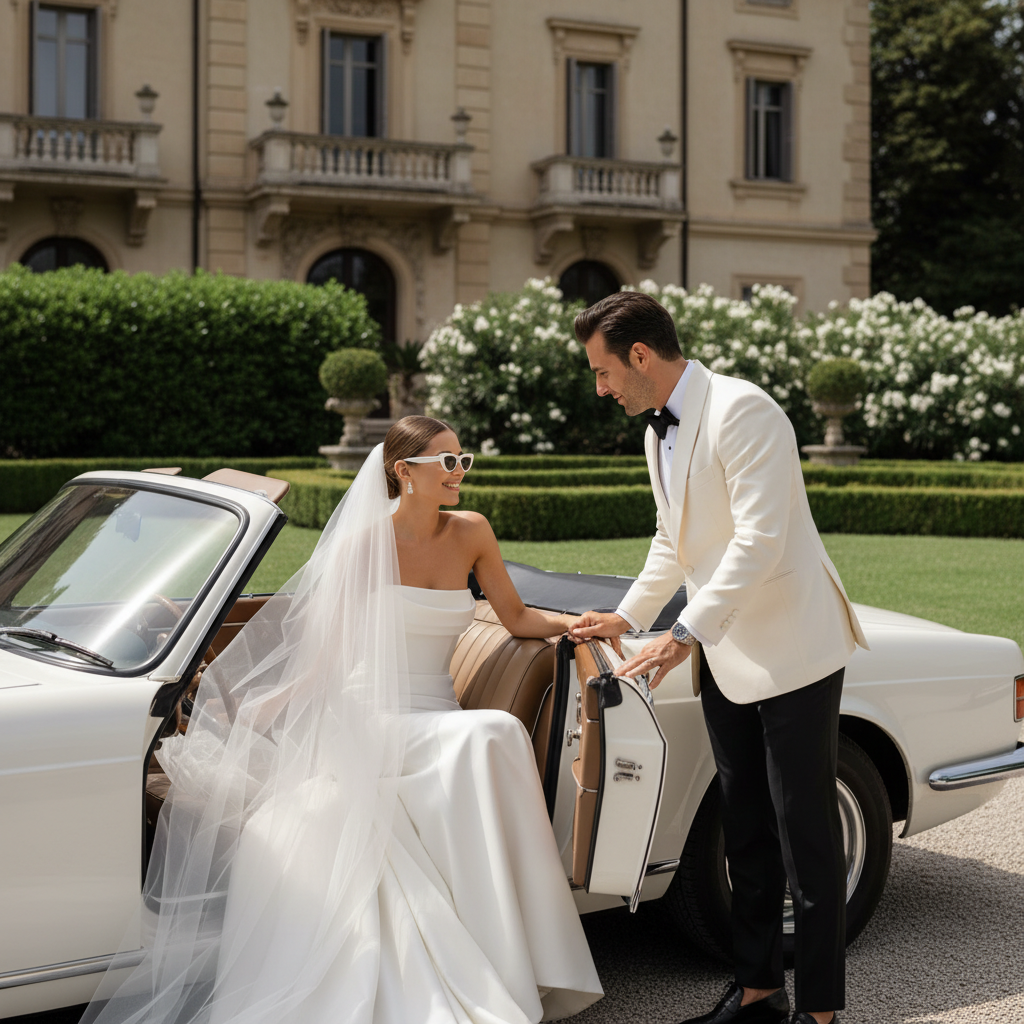
SO…
These are the common questions couples ask while planning a wedding. You’ll get clear, direct guidance to manage family input, timelines, vendors, and trade‑offs with calm. Use these answers to avoid the wedding planning mistakes and stay focused on how to plan a wedding.
Here are the questions I hear most as a destination wedding photographer, with concise, honest answers to help you decide with confidence. Keep them handy for when the group chat gets loud and you need a steady compass.
What if our parents are paying and expect a say?
Define decision lanes and offer curated choices while retaining creative control. Script kind yes/no responses, separate gratitude from approval, and assign meaningful roles that respect boundaries. These moves prevent a people pleasing wedding and keep priority decisions, like ceremony and photography, yours.
Accept their generosity and outline lanes. Offer curated options within your vision, such as two menu choices or a theme for the welcome event. Keep ceremony, photography, and timeline as your non‑negotiables. Gratitude plus clarity beats avoidance.
How much should we compromise with guests’ comfort?
Provide for guests’ basic comfort without redesigning the day for every preference. Give clear logistics, shade, and thoughtful food while preserving your timeline and style. These guardrails avoid the wedding planning mistakes and keep joy first for you and your guests.
Care for guests without erasing yourselves. Provide transport info, shade, and considerate food choices. Pick footwear and a timeline you can actually enjoy. You don’t need to redesign the day for every hypothetical; your joy sets the room’s tone.
When should we lock vendors to protect our vision?
Book key vendors once your priorities and venue are set and your brief is ready. Align early on values, process, and expectations to avoid piecemeal, rushed choices. This timing helps you avoid wedding planning mistakes and anchors how to plan a wedding calmly.
When priorities and venue are set, share your brief and book. Early alignment prevents the rushed, piecemeal decisions that lead to wedding mistakes. A strong team frees you to be present.
What is one small change that makes the biggest difference?
Write a one‑paragraph vision statement and place it at the top of every planning email and document. You’ll filter decisions faster, align your team, and reduce second‑guessing under outside pressure. This habit avoids the wedding planning mistakes and reinforces how to plan a wedding with intention.
Write a one‑paragraph vision and place it at the top of planning emails. It becomes a north star for you and your team, speeding kinder, more consistent decisions and helping you remember how to plan a wedding with purpose.
Create a wedding that feels like you
A wedding that feels like you starts with clear values and gentle guardrails. Protect priorities, filter opinions, and choose partners who will defend your story. This approach sidesteps the wedding planning mistakes and shows how to plan a wedding with intention.
People‑pleasing is subtle but it’s the greatest thief of wonder. Anchor your day in story, set compassionate boundaries, and choose partners who will guard your vision. Do this and you’ll avoid wedding mistakes and people pleasing tendencies, creating a celebration that feels effortless, honest, and timeless.
If you value authentic wedding planning and story‑driven photography and films, I’d be honored to document your journey. Reach out to inquire, and let’s curate an image collection that reflects you—graceful, honest, and boldly natural—so your memories live on beautifully for generations.


PLEASE COMMENT BELOW